
Lake Wakatipu facts in their landscape
Lake Wakatipu facts make more sense when the water is seen together with its mountain setting. The lake occupies a glacially formed basin at the foot of the Southern Alps. Queenstown, Glenorchy and Kingston offer different starting points for exploring its shores. Look at the basin, the routes along it and the settlements around it as parts of the same landscape.
Glenorchy lies at the head of the lake, with access to day walks and longer tracks. Queenstown is a starting point for sightseeing cruises, while Kingston gives access to Shirt Tail Track. These place names are useful anchors for a visit. Choosing a particular shore gives the day a clearer shape than trying to turn the whole lake into a single short stop.
The lake's setting can be explored from a marked shore path, from a boat or from an elevated viewpoint. Each offers a different perspective on the relationship between water, slopes and settlements. The viewpoints guide and walking guide help turn that geographical overview into a route.
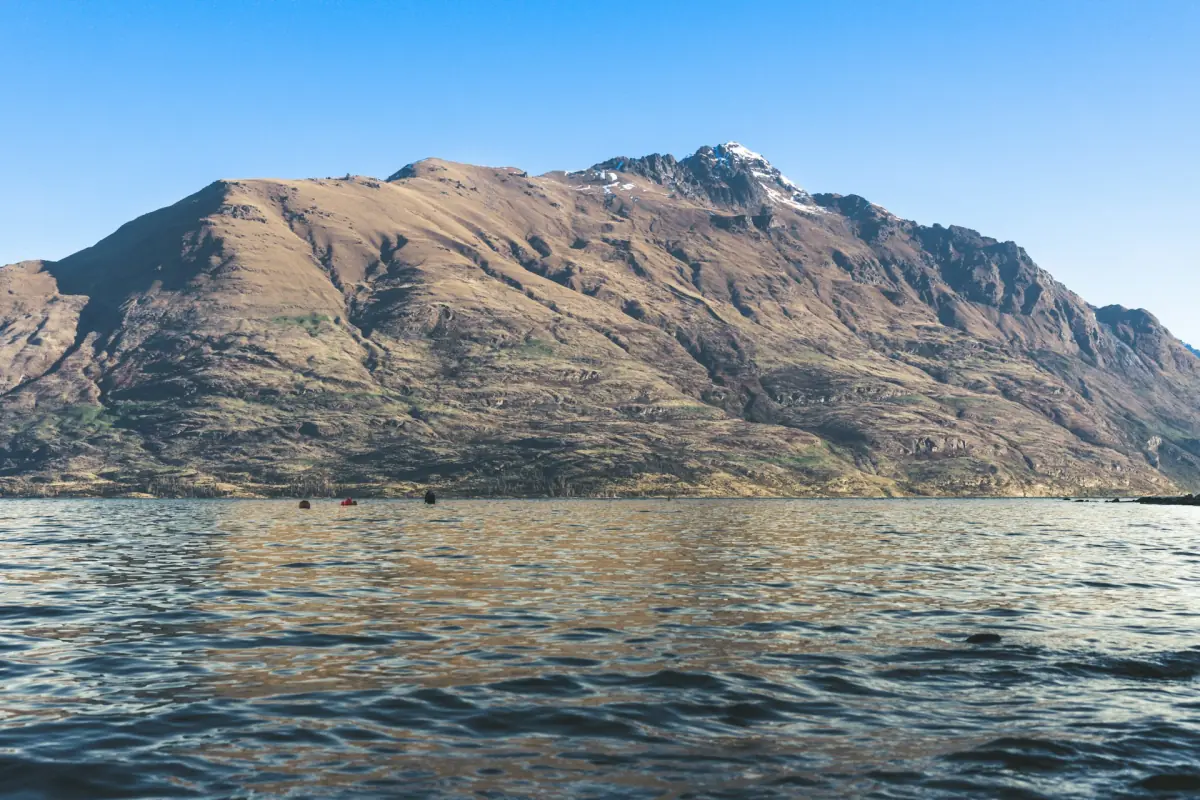
A glacial basin beneath the mountains
The basin's glacial origin is the starting point for understanding the lake. Think of the visible shore as the edge of a much larger landform extending beneath the water. The slopes above the lake and the basin below it belong to the same geographical setting, even though a lakefront view shows only part of that shape.
A visit can focus on observing those relationships rather than collecting measurements. From shore level, notice the meeting of land and water. From a viewpoint, look at the settlements within the mountain landscape. A sightseeing boat adds the experience of seeing the shoreline from the lake itself. These are complementary ways to understand the setting.
See the lake
A cruise with onboard commentary offers a view of the lake from the water.
Hand-picked tours, booked through GetYourGuide. Prices are indicative starting prices in US dollars (as of October 2026). Tap a tour for live availability and the current price in your currency.
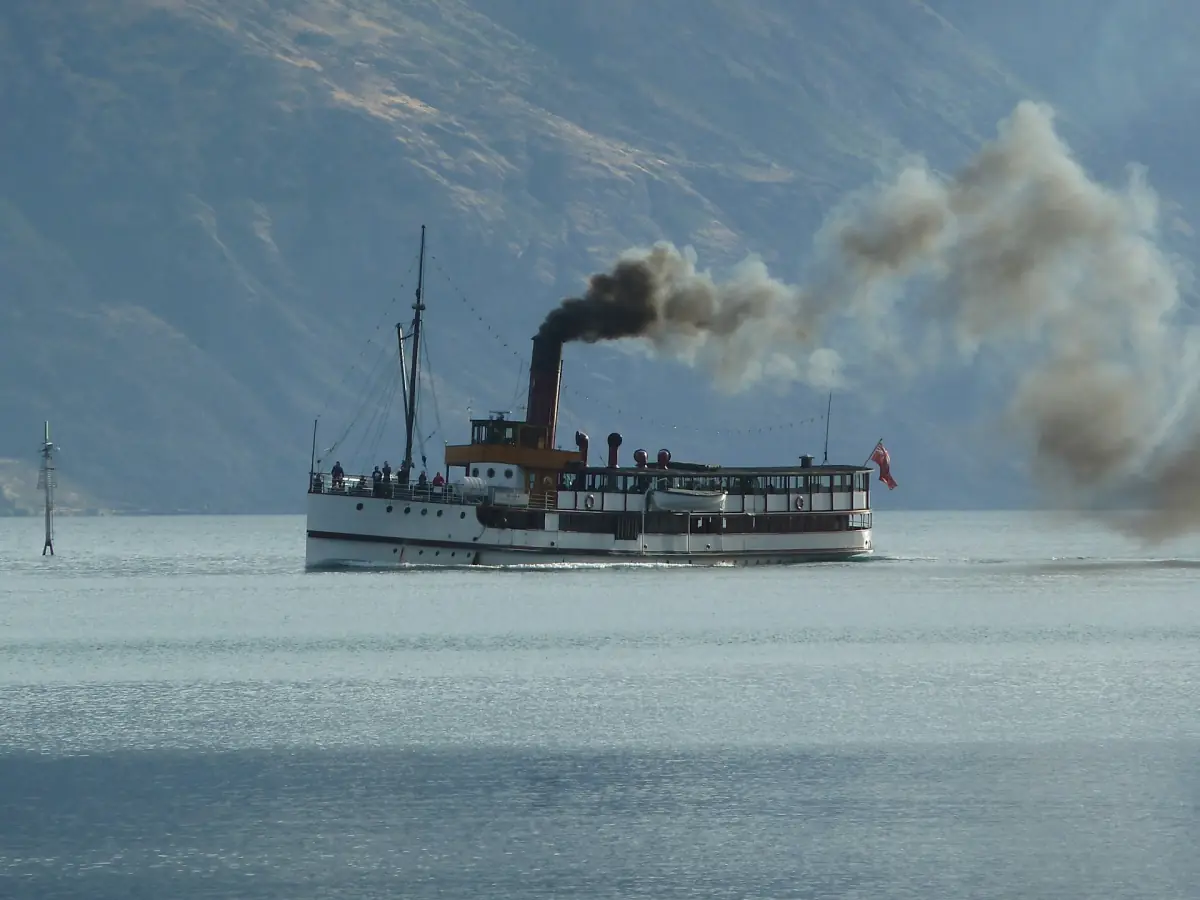
See the basin from the lake
A sightseeing cruise with onboard commentary offers a view of the shoreline and mountain setting from the water.
What a seiche means
A seiche is an oscillation of the lake's water. Wind can push water towards one side; the water body then swings back and forth. The useful distinction is between a wave passing across the surface and the broader movement of water within the basin. Lake Wakatipu is associated with this rhythmic change in water level.
The lake can oscillate in different modes, so it is better understood as a physical process than as a clock to use during a visit. Plan a shore stop around observing the landscape rather than a promised interval. The shape of the basin and the movement of water are the main ideas to take away.
A traditional account involving Matau gives the rhythm of the water a different meaning within a story. Keep that cultural telling distinct from the physical explanation. The history page introduces the attributed narrative alongside Māori connections to the lake and later shipping.
A cruise as a way to observe the setting
The sightseeing cruise featured here includes the boat trip and onboard commentary. Its meeting point is the visitor centre at 88 Beach Street in Queenstown. It is a way to put the shoreline and mountains into view while hearing commentary about the surroundings. Choose it for that experience of the lake.
For comparisons with other boat outings, use the cruise guide. Keep the experience's stated inclusions in view when choosing a ticket. A sightseeing trip and a specialist scientific field visit serve different purposes; this outing is a commented cruise through the landscape.
The lake as a place of connection
The historical statutory acknowledgement records seasonal Māori settlements, mahinga kai and connections with pounamu routes beyond the head of the lake. These connections place the lake within a travelled and used landscape before European shipping. They belong in an understanding of the place alongside its physical geography.
Later, the steamship carried people, livestock, mail and goods for lakeside communities. Today a visit might combine a shore walk with a cruise, but the historical role of movement across the water adds another layer to the view. For practical questions about entering the water and water-temperature information, continue to swimming and paddling.
Questions about the lake
How was the lake basin formed?
It is a glacially formed basin at the foot of the Southern Alps. The mountain setting and the water should be considered together.
What is a seiche?
It is an oscillation of the lake water. Wind can pile water towards one side before the water body swings back and forth.
Where is Glenorchy?
Glenorchy is at the head of the lake, with access to day walks and longer tracks. The Glenorchy guide explains the road approach and local exploration.
What does the featured cruise include?
It includes a sightseeing cruise and onboard commentary. It is a way to observe the lake and shore from the water.